


SPEECH BY COREY HOGAN TO THE CANADIAN CLUB OF CALGARY ON MARCH 18, 2026 - CHECK AGAINST DELIVERY
Thank you for having me.
When I was going back-and-forth with the Canadian Club on what my speech would be, we settled on me speaking about being a Liberal in a sea of blue.
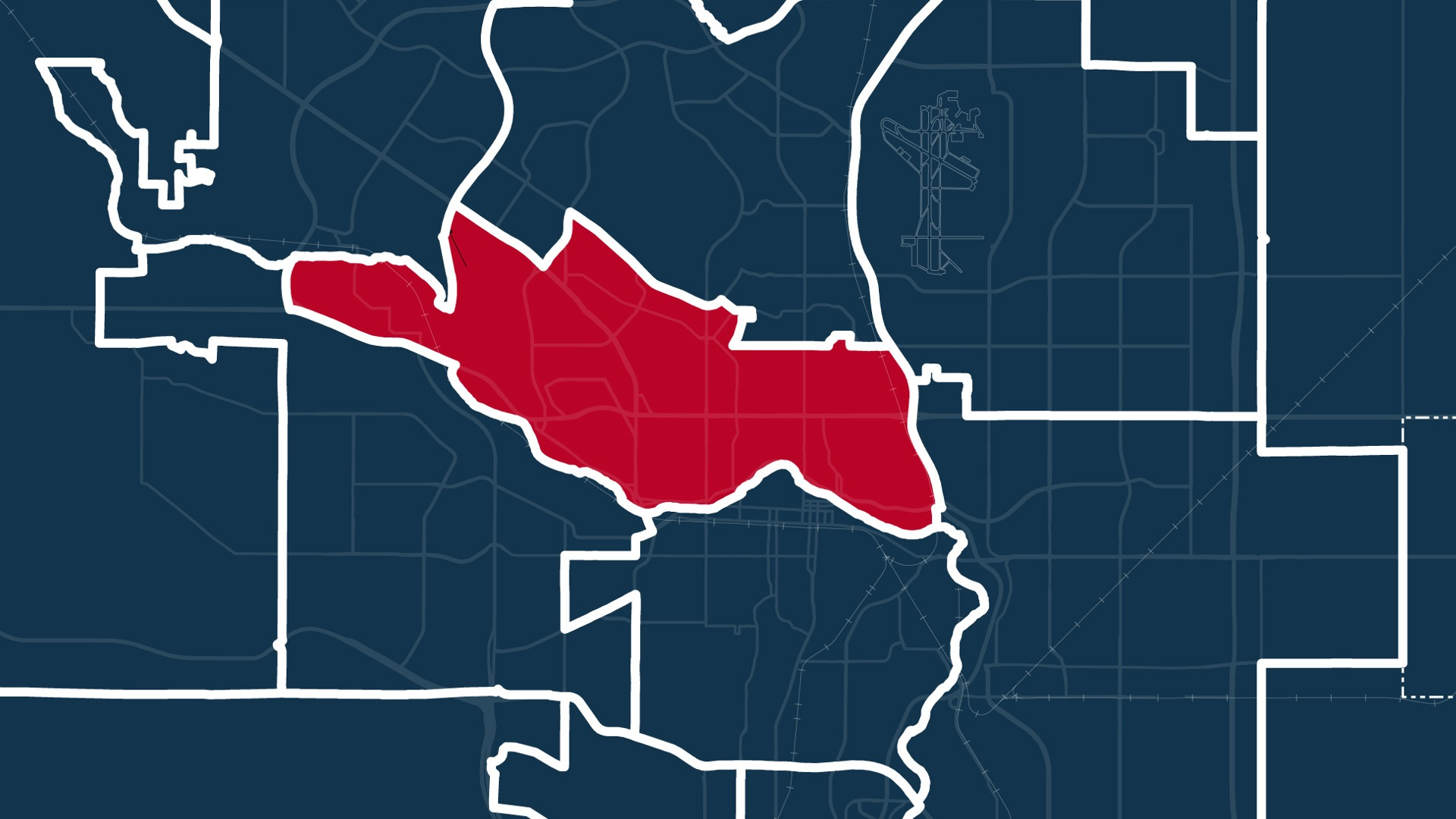
But to be honest, the longer I’ve thought about that framing, the less it felt right (which is not fair to the Canadian Club because I agreed to the topic - I might even have proposed it).
It doesn’t feel right because it doesn’t feel like a sea of blue. It feels like a place that’s more complicated than that – and has been for a long while.
…
Now, I understand where the idea comes from. If you look at a federal electoral map, Calgary looks pretty uniform. I’m the only Liberal MP in the city. That part is true. But it’s also incomplete.
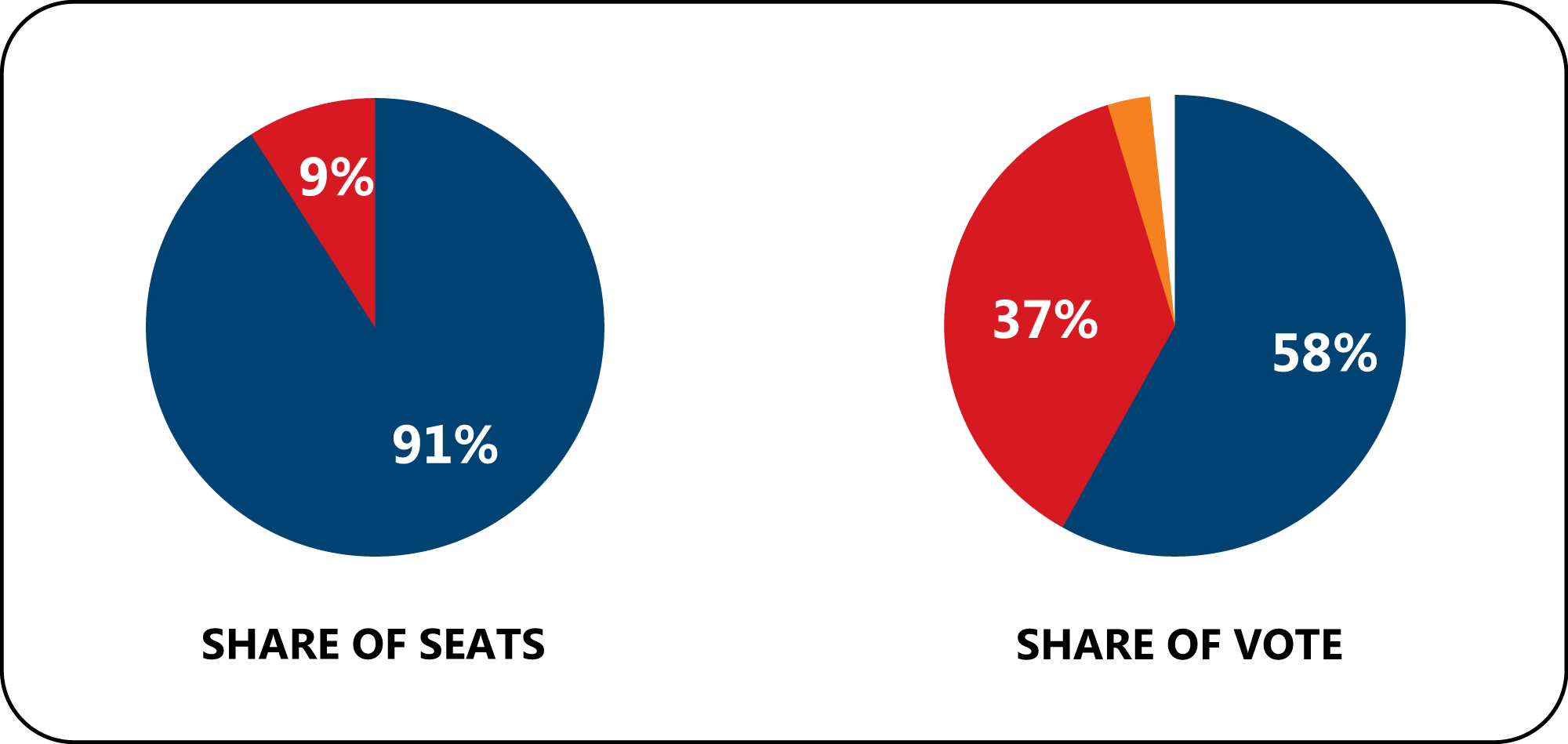
In the last election, Liberals received 37 percent of the vote in Calgary – literally the best we’ve ever done, going back to the founding of the province in 1905.
If you believe the polling, it’s currently higher still – approaching a tie with Conservative voter intent in our fair city.
So yes, I may be alone. Literally, technically, on the Sunday night flight to Ottawa. But I’m not lonely.
And more importantly, the story people tell about Calgary – especially from a distance – is simpler than the place actually is.
That gap between perceptions of Calgary and our reality is something I spend a lot of time thinking about. I’ve been a Liberal for a long time now, but I don’t come to this as someone who grew up steeped in Liberal politics.
The Nova Scotia branch of my family were proud conservatives. The Quebec branch proud liberals. Growing up, I’m not sure I ever gave a moment’s thought to my parents day-to-day politics. To this day I couldn’t tell you how they voted back then.
I did love politics and government though. Ever since I was in the sixth grade and we went on a trip to Calgary City Hall. I met then-Mayor Al Duerr and thought he had the coolest job in the world. I was enamoured with the idea that we govern ourselves. That we get together and make decisions on who makes decisions.
But that wasn’t party politics. And like pretty much anyone of my age who grew up in the west, my first instinct was not to join the Liberal Party of Canada.
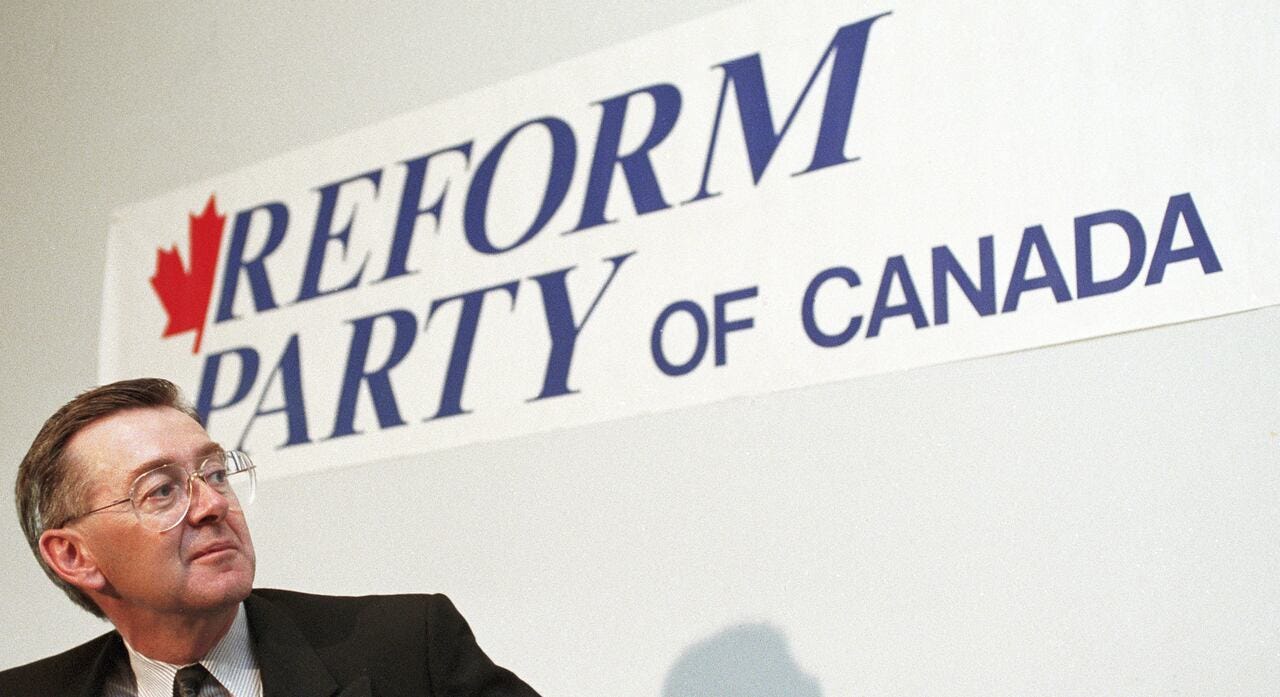
In fact, the first political party I ever joined was the Reform Party of Canada.
I was in Grade 9. My friend Matt and I – bleached blonde hair and all (it was the 90s, in our defence) – went down to our local MP Preston Manning’s constituency office in Glenmore Landing in southwest Calgary.
We didn’t really understand the difference between a constituency office and a party office. We asked how to sign up as members. The staff were utterly bewildered. They politely pointed us in the right direction and ushered us out of the office.
And then I signed up.
What attracted me to Reform wasn’t ideology, exactly. It was the idea of democracy. Accountability. The sense that regular people should have a more direct say in how things were run. That government should work to the benefit of regular people. That resonated with me. That’s what resonated with me at Calgary City Hall years earlier.
It’s still, at its core, a fundamentally thrilling idea that we take for granted. That we are in charge. And for a while, the degree through which citizens directly influenced the process was the lens I looked at politics through.
But over time, I started to notice something. I liked the mechanism – the idea of direct democracy. I liked the idea of Senate reform. I liked the idea of voting on policy.
But when I followed it through to the outcomes, particularly in the context of the Reform Party membership of that day, I didn’t always like the conclusions that the party I was a member of came to.
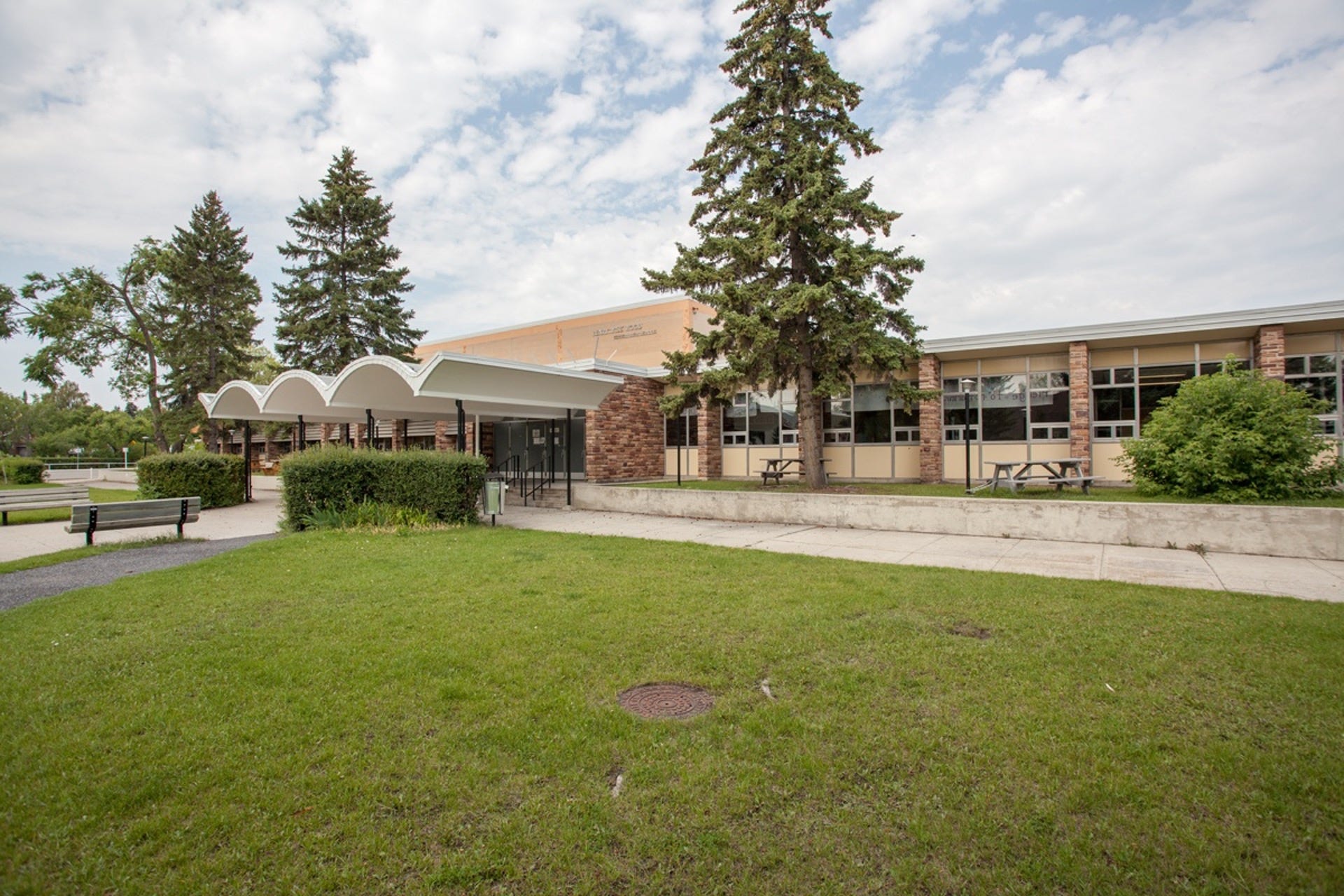
And then in high school, my social studies teacher, Mr. Schwartz, assigned roles for a model parliament. For reasons I’m still not entirely clear on – but I assume were to amuse himself with this “Canadian Content” Alex P. Keaton he’d inherited – he made me the Liberal prime minister.
At the time, felt like a bit of a stretch. But it forced me to do something I hadn’t really done before – to engage seriously with what the Liberal Party stood for. And that’s where things started to click for me politically.
I realized that while I was drawn to Reform’s focus on process, the outcomes I actually believed in – on inclusion, on the role of government, on how you build a country as diverse as Canada – looked a lot more like the outcomes the Liberal Party was fighting for.
So I didn’t inherit being a Liberal. I reasoned my way into it.
But even now, if I’m being honest, “Liberal” is not the primary lens through which I understand my politics.
I am a Liberal. I’m proud to be one.

But above Liberal, I put both Canadian and westerner. And it’s my western-ness that makes me a Liberal.
Now, that might sound counterintuitive, given how we tend to talk about politics in this country. But let me tell you what I think a westerner is.
Westerners are direct.
We don’t have a lot of patience for artifice or unnecessary complexity. We like things to be said plainly. We like arguments that stand up to scrutiny.
Westerners are practical.
We’re less interested in whether something sounds good than whether it actually works.
Westerners are egalitarian.
Not in an abstract, ideological sense – but in a very grounded way. People should get a fair shot. Effort should matter. Systems shouldn’t be rigged. Fair’s fair. You are what you do, not your pedigree. I am 44 years old. I can count on one hand how many times someone in Alberta has asked me where I went to school. And I was a vice president at a University. Honestly, it’s a topic you’d think would have come up more.
Westerners are welcoming.
People come here from everywhere – and they build lives. We don’t spend much time asking where you came from. We care whether you’re willing to contribute. It leads you to a politics that is open, that values you for who you are.
Westerners have a strong sense of stewardship.
Of land. Of resources. Of leaving things in better shape than we found them.
And westerners are patriots.
We never stop building this country. We never stop fighting for it.
…
None of these are partisan traits. But if you take them seriously – if you actually follow them through – they lead you to a certain kind of politics.
A politics that values evidence. That cares about outcomes. That doesn’t care where you or your ideas came from. That recognizes the value of practicality. That recognizes the necessity of balance. That puts country first.
That’s not always what the Liberal Party of Canada has been. But, for me, it is what liberalism is. And that’s certainly what Mark Carney is.
So I see no contradiction between being a westerner and being a Liberal. My liberalism is driven by my western outlook.

Let me put it a slightly different way.
There’s something former Liberal MLA Harry Chase told me years ago, that I think about a lot – and some of you have maybe even heard me say before.
He said that in the west, politicians come in two types: gun-slingers or barn-builders.
And politics, if we’re honest, does a pretty good job of rewarding gun-slingers. It rewards conflict. It rewards sharp lines. It rewards the ability to land a hit and move on. And look, sometimes it feels really fun to land a hit. Politics as sport, right?
But the country doesn’t get built that way. The things that last – the things that actually improve people’s lives – those are built through cooperation.
Through coming together as neighbours and recognizing that a government in a democracy isn’t a thing happening to us. It’s you – and me – doing together what we cannot do apart.
Maybe you need the community today and I don’t. But I probably did in the past and I probably will in the future. We don’t count IOUs. We help each other, and we survive the winter together.
That’s barn-building.
…
Now, I don’t want to pretend that everything is easy. It’s not always straightforward being a Liberal in Calgary or a Liberal from Calgary.
There are assumptions. There are shortcuts people take in how they understand you.
To be fair, some of that exists here at home. But I would actually argue that the idea of Alberta as a monolith is more prevalent outside the province than inside it.
Because if you live here, you know that’s not what this place is. We had an NDP government from 2015-2019 and but for a few thousand votes we would have had one in 2023 as well - Calgary elected more NDP MLAs than UCP MLAs. You can easily make the case at this point that provincial conservative governments are more secure in Ontario than here.
Municipal politics here doesn’t map cleanly onto federal or provincial lines, but it has mostly tilted progressive for decades.
And if you spend time talking to people – really talking – you hear a wide range of views. Often held by the same person at the same time.
So the challenge isn’t just disagreement. It’s miscalibration.
It’s when decisions get made based on a simplified understanding of a place that is anything but simple.
When politicians here cosplay to a stereotype that doesn’t exist. When politicians elsewhere buy into that stereotype unthinkingly.
And that brings me to something I spend a lot of time on in Ottawa. Canada works best when we understand each other. And we are not always very good at that. From a distance, the nuance is harder to see.
I like to remind my colleagues out east that Calgary and Edmonton are as far apart culturally and geographically as Montreal and Quebec City. That Calgary and Regina are as far apart as Toronto and Montreal.
And that the secret to success in Alberta isn’t playing to the stereotype in your head of Alberta. It’s understanding Alberta, and what makes us tick.
A true embrace of the west doesn’t mean embracing conservative ideology. It means understanding western values. A true embrace of the west doesn’t mean agreeing with the Alberta government on everything.
It doesn’t mean avoiding disagreement. It doesn’t mean acquiescing to conservatism any more than it means imposing eastern liberalism.
It means grounding decisions in the values people here actually hold – practicality, fairness, stewardship, patriotism, and a strong sense of contribution.
There are real disagreements between governments and regions. On energy. On the environment. On the role of government. We should always aim for constructive conversations. But those disagreements aren’t going away.
The question is whether the discussions we have will be rooted in an understanding of this place.
If you try to govern Alberta – or for Alberta – by imposing an outside worldview, you’ll fail. Whether that be eastern-style liberalism or importing MAGA-style conservatism.
If you govern it by understanding its values, you have a chance. And you can see the difference in how things land. If a policy is framed as Ottawa imposing its worldview, as Albertans our instinct will be to reject it.
But if a policy is grounded and framed terms of in stewardship, in economic strength, in long-term competitiveness – in western values – it may still be debated, but it gets a fair hearing. That’s the difference calibration makes.
And that’s what constructive engagement is, at least to me. Understanding where people are actually coming from.
So when I think about representation, I don’t think about it as matching a stereotype. I don’t remotely care to. I think about it as making sure the place I love, and that I come from, is understood on its own terms.
Because if it’s not, we get decisions that don’t fit. We get policies that don’t land. We get frustration that builds, not because people are opposed to everything – but because they don’t feel seen accurately in the first place.
My job is to make sure Ottawa understands Calgary as it is – not as it’s imagined by either conservatives or liberals.
A city that is pragmatic. That is evolving. That doesn’t like being told what it is. And that, I would argue, is not a sea of blue.
It’s something far more interesting than that.
…
So I’ll end where I started.
I was asked to speak about being a Liberal in a sea of blue. But I don’t think that’s quite right.
It’s not me against the sea.
One thing I didn’t mention earlier is that Pierre Poilievre and I went to the same high school at the same time. We had the same teachers.
We walked the same halls. We heard the same stories and learned the same lessons.
It’s not me against the sea.
Me and the sea were made of the same stuff. It just manifests differently. There are lots of ways to carry western values. There is the way of Pierre Poilievre and the Conservative Party.
And I understand it. Small government. Simple. Self-reliant. Free on the land. Stay out of my way and I’ll stay out of yours.
There’s an appeal.
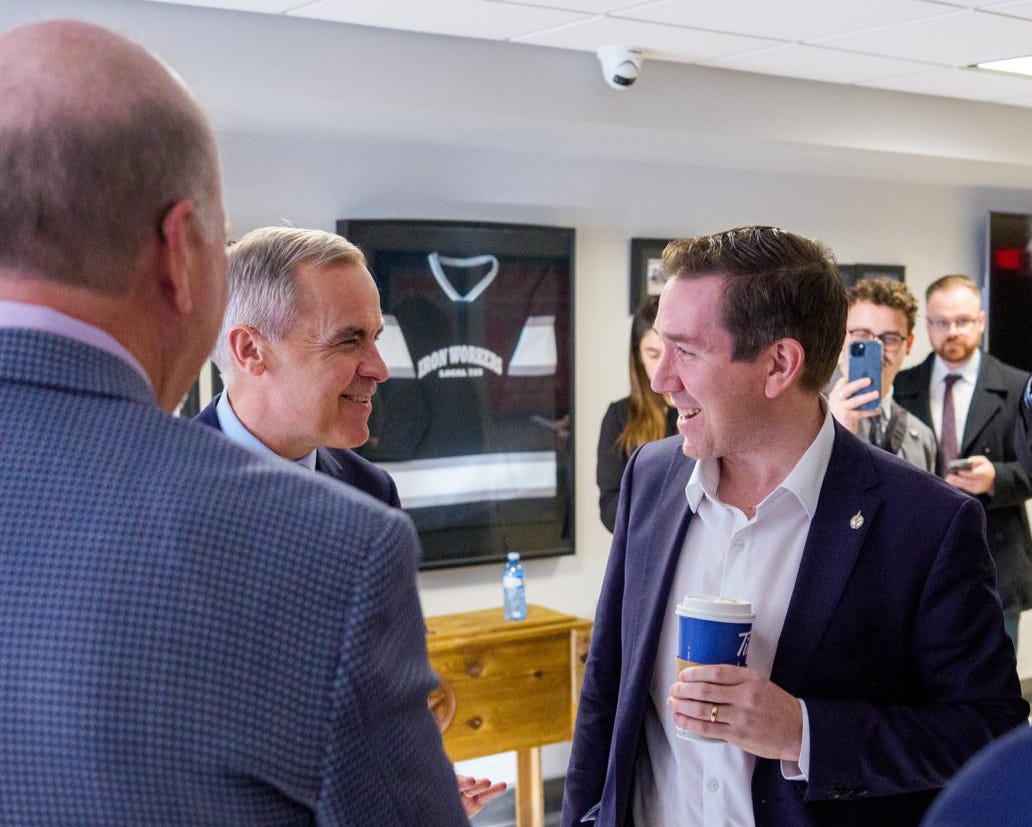
But there’s also the path Prime Minister Carney (who is of course also an Albertan) and I try to walk.
Pragmatic. Welcoming. Collaborative. People who love their country – all of it – and have a strong sense of stewardship. We set ourselves up for the future together. You can go further together. You survive the winter together.
There’s a liberal way. There are barn builders in the world.
And I’m not a Liberal in spite of Calgary.
I’m a Liberal because of it.
Thank you.
Well said, well articulated.
Barn builders, not gun slingers!
As an Edmontonian who has lived in Ottawa for decades, I relate closely to Hogan's efforts to translate Alberta to people "out east" (only westerners use that phrase for ON and QC haha).
AB stereotypes are deeply persistent... but premiers like Danielle Smith obviously feed into all the rural cliches.
But Redmonton has been a thing for a long time; urban AB is actually very progressive.
In fact, often these progressives end up splitting the vote, allowing Conservatives to win seats.
All three current national leaders from AB: Carney and Don Davies are both from Edmonton, and Poilievre is from Calgary. This was unimaginable when I was growing up, in the same high school with Davies and at the same time as Carney.
Let's hope these Albertans use their voices to build lasting change in federal politics, as the demographic and economic weight of the West grows.
Time to build barns indeed, because winter is settling in for a while, it would seem....